
Ask someone to name a French brandy and they will say cognac. It is one of the most recognised spirit names in the world. But France has an older brandy tradition, one that predates cognac by more than a century, and most people have never heard of it. Armagnac is not cognac's little sibling. It is a fundamentally different spirit with its own character, its own rules, and a growing following among people who care about what they drink.
The geography
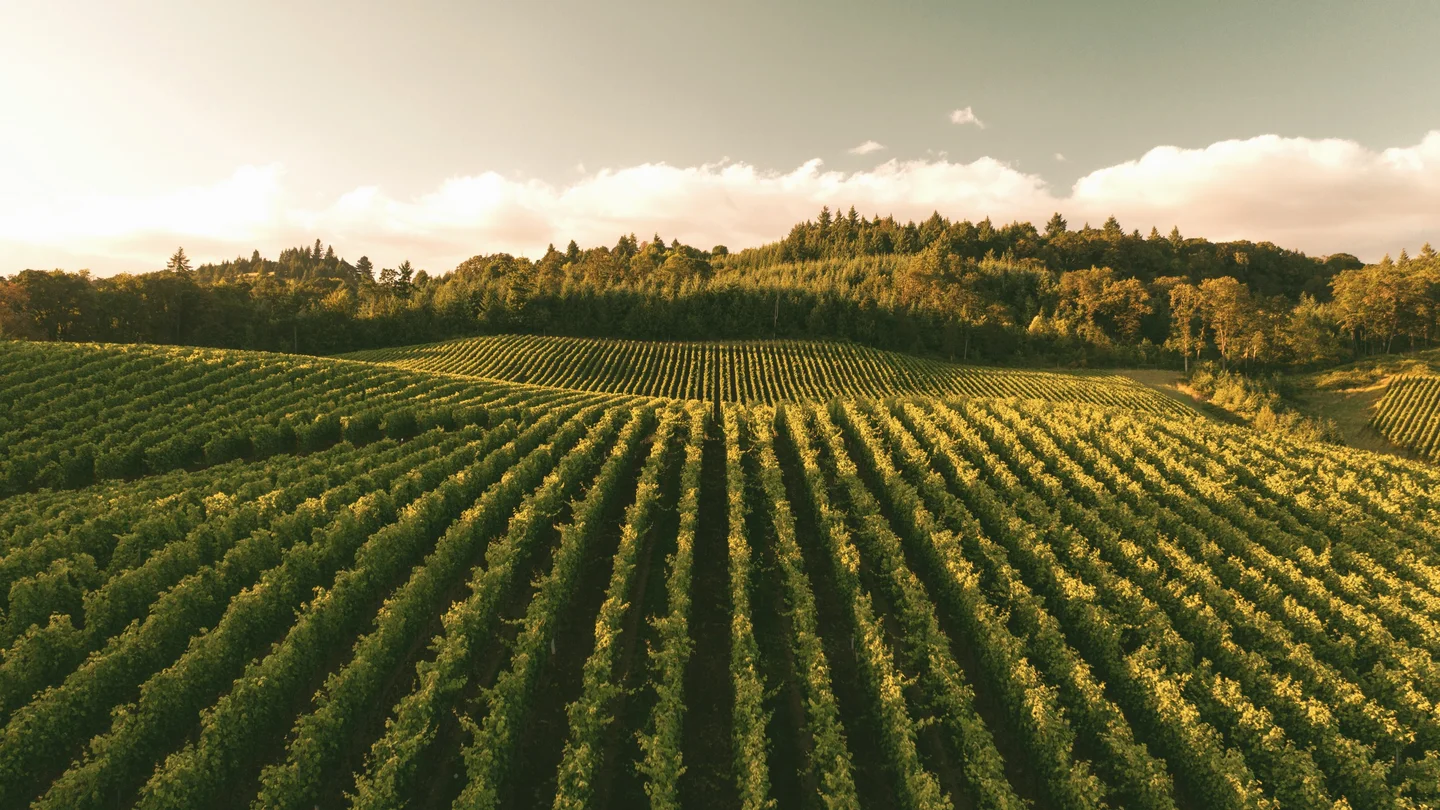
Cognac comes from the Charente region in western France, north of Bordeaux. Armagnac comes from Gascony in the south-west, closer to the Pyrenees. The regions are about 200 kilometres apart, but the terroir is different. Gascony is hillier, warmer, and more rural. The soil, the grape varieties, and the climate all produce a different starting wine, which in turn produces a different spirit.
Both are protected appellations, meaning you can only call a spirit cognac or Armagnac if it is produced in the respective region following strict rules. Geography is not just a label here. It defines the product.
The distillation
This is where the biggest technical difference lies. Cognac is double-distilled in copper pot stills (alembics). The spirit goes through the still twice, which produces a lighter, more refined distillate. The process removes more of the heavier compounds and congeners, resulting in a cleaner, more polished spirit.
Armagnac is traditionally single-distilled through a continuous column still (alambic Armagnacais). The spirit passes through only once, which means it retains more of the original flavour compounds from the wine. The result is a heavier, more characterful distillate with more texture and personality.
Think of it as the difference between filtered and unfiltered. Cognac is refined. Armagnac is raw, in the best sense of the word.
Cognac is refined. Armagnac is raw, in the best sense of the word.
The production scale
Cognac is a global industry. The big houses (Hennessy, Remy Martin, Courvoisier, Martell) produce millions of bottles a year. They buy grapes from hundreds of growers and blend across estates to achieve a consistent house style. The priority is reliability: every bottle should taste the same as the last.
Armagnac is mostly produced by small, independent estates. Many are family operations that have been running for generations. They grow their own grapes, distil their own spirit, and bottle under their own name. Production is measured in thousands of bottles, not millions. Each estate has its own style, its own character, and its own story.
This artisanal model means Armagnac offers more variety and individuality than cognac. Two estates five kilometres apart can produce wildly different spirits. That unpredictability is part of the appeal.
The flavour
Cognac tends to be smooth, rounded, and consistent. Common tasting notes include vanilla, dried fruit, honey, and a gentle warmth. It is designed to be approachable and easy to drink. The double distillation and large-scale blending smooth out any rough edges.
Armagnac is more intense and varied. Aged Armagnac offers dried fruit, prune, leather, tobacco, and spice, with more body and texture than cognac. It can be rustic and powerful, or elegant and nuanced, depending on the estate and the vintage.
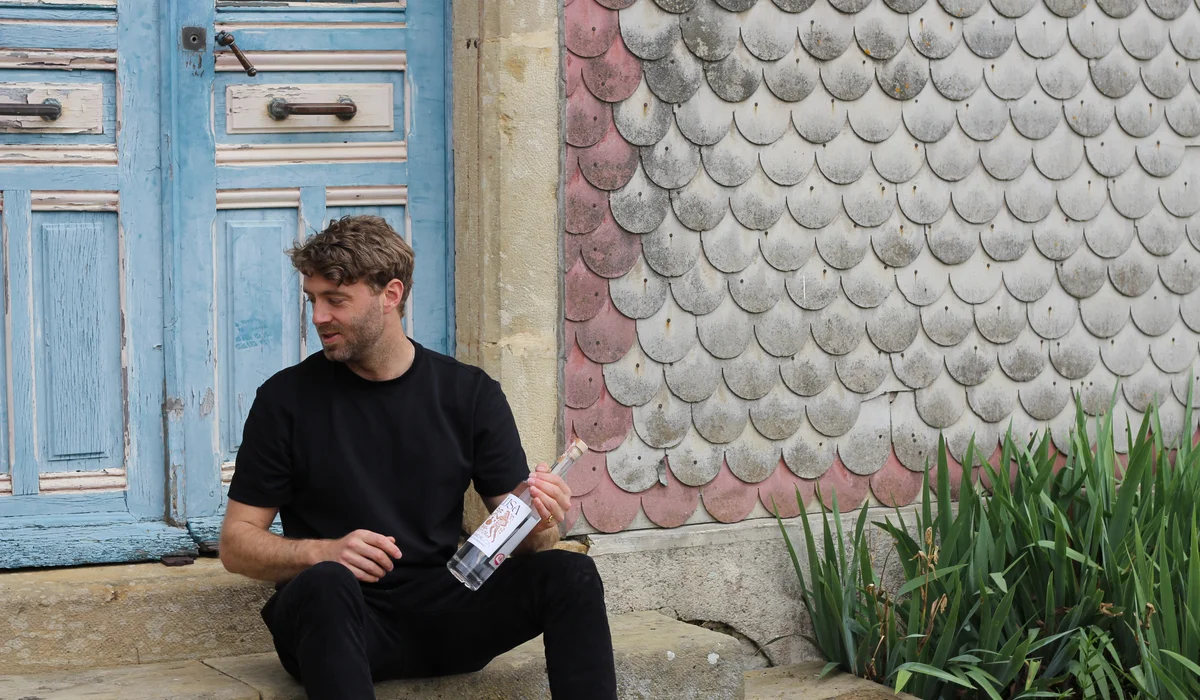
Blanche Armagnac is the unaged expression: clear, fruity, floral, and surprisingly delicate. It tastes of white stone fruit, pear, and gentle florals. If you have only tried aged brandies, Blanche Armagnac will challenge everything you think you know about the category.
Blanche: the one cognac cannot match
Here is something cognac genuinely cannot offer. Blanche Armagnac is an officially recognised category within the Armagnac appellation. There is no equivalent in cognac. Cognac must be aged in oak for a minimum of two years. There is no provision for an unaged expression.
Blanche Armagnac needs only three months of rest in neutral containers (stainless steel, not oak) before bottling. This preserves the raw, fruity character of the grape distillate. It is a white spirit that sits alongside gin, vodka, and tequila as a cocktail base, but with more flavour and provenance than any of them.
In cocktails, it is extraordinary. A French Tommy's Margarita made with Blanche Armagnac instead of tequila is one of the best drinks you can make at home. Read more about our story and how we discovered this versatile spirit.
Price and value
Cognac's global marketing machine means you often pay for the name as much as the liquid. Entry-level VS cognac can be thin and unremarkable. Good VSOP or XO cognac is genuinely excellent but commands a premium.
Armagnac, because it is less well-known and produced at smaller scale, often offers better value for equivalent quality. A 10-year-old Armagnac typically costs less than a comparable cognac, and the flavour is more distinctive. Blanche Armagnac offers a premium white spirit at a fraction of what you would pay for top-shelf gin or vodka.
Which should you choose?
If you want consistency, brand recognition, and a smooth sipping experience, cognac delivers. If you want individuality, flavour intensity, and a spirit that tells a story about the people who made it, Armagnac is more interesting. And if you want a white spirit that outperforms gin and vodka in cocktails while costing about the same, Blanche Armagnac is in a category of its own.
The honest answer is: try both. But if you have only tried cognac, you owe it to yourself to see what you have been missing.
Discover Armagnac
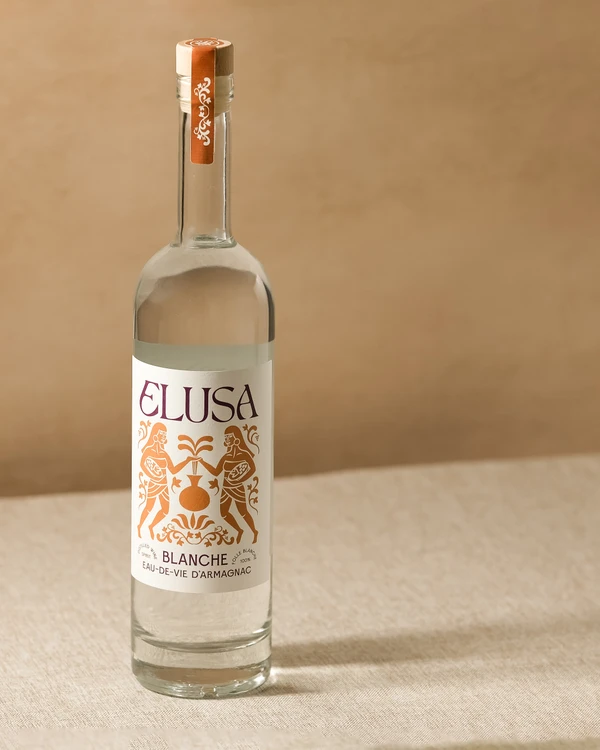
Elusa Blanche Armagnac. 700ml, 40% ABV. Great Taste 2-star. From a family estate in Gascony. Shipped across the UK.