
Cointreau has been the go-to orange liqueur for over a century. It appears in more cocktail recipes than almost any other modifier. But Cointreau is not the only option, and depending on what you value in a drink, it might not be the best one either. The UK craft spirits scene has produced alternatives that offer more flavour, more character, and a better story behind the bottle.
What Cointreau actually is
Cointreau is a French triple sec, first produced in 1875 in Angers, Loire Valley. It is made by macerating and distilling sweet and bitter orange peels in neutral alcohol. At 40% ABV, it sits higher than most orange liqueurs, which contributes to its clean, intense flavour. It tastes of orange peel, sugar, and alcohol in roughly that order.
It is a good product. It has survived 150 years for a reason. But its strength is also its limitation: it is clinical. The orange is sharp and one-dimensional. The base spirit is intentionally flavourless. Everything about Cointreau is designed for consistency and versatility, which means it sacrifices character for reliability.
Why people look for alternatives
Three reasons tend to come up. First, price. Cointreau is not cheap, typically around the same price point as a good single malt or premium gin. For that money, you want something that does more than just add orange flavour to a margarita.
Second, flavour depth. Cointreau is sharp and clean but it lacks warmth. If you want an orange liqueur that can hold its own sipped neat or on the rocks, Cointreau can feel a bit austere. People want something rounder, more complex, with a sense of provenance.
Third, the craft movement. The same impulse that drives people to buy bread from a local bakery instead of a supermarket now applies to spirits. People want to know who makes their drink, where the ingredients come from, and what makes it different from the industrial standard.
A good orange liqueur should taste of real oranges, not just orange peel extract and sugar.
What makes a great orange liqueur
Real fruit. The best orange liqueurs use whole oranges or fresh juice, not just dried peel. Dried peel gives you the essential oils and the sharp citrus hit, but fresh fruit gives you juice, pulp, and a rounder, more complete orange flavour.
A proper base spirit. Neutral grain alcohol is the industrial default. It is cheap and lets the orange dominate, but it contributes nothing. A base spirit with character, like Armagnac, adds warmth, fruit, and a second layer of complexity beneath the orange.
Balance. An orange liqueur needs to be sweet enough to work as a modifier in cocktails but not so sweet that it becomes syrupy. The best ones have a bittersweet quality that comes from using the whole orange, pith and zest included.
Elusa Orange Liqueur: the Cointreau alternative worth knowing
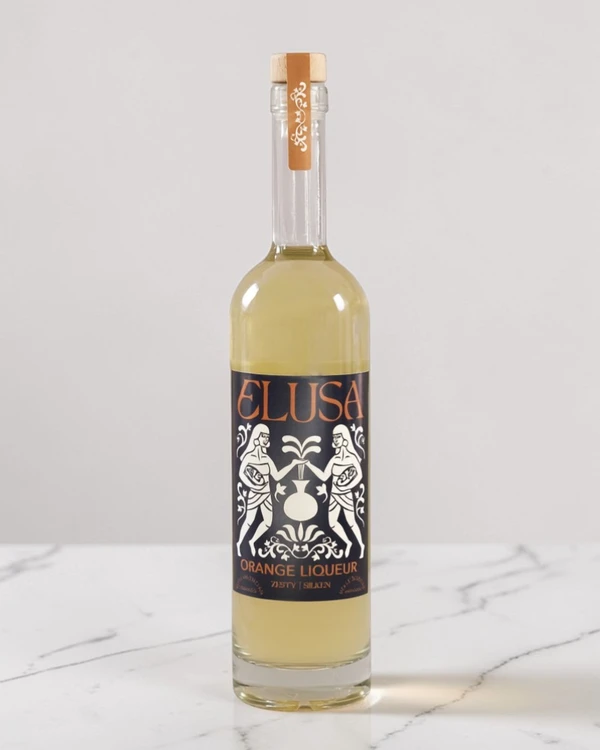
Elusa Orange Liqueur is built on Blanche Armagnac from a family estate in Gascony and made with Valencian oranges. Not just peel. Whole fruit: juice, zest, and pith, macerated in the Armagnac to extract a complete orange flavour that is richer and more natural than anything you get from peel-only extraction.
At 21.5% ABV it sits well below Cointreau's 40%, which is deliberate: it is built to be tasted rather than to add heat. The flavour profile is warmer and more rounded: you get the bright citrus hit, but also a honeyed depth from the Armagnac and a gentle bitterness from the pith. It works beautifully in cocktails but it is also genuinely enjoyable neat over ice, which is more than most orange liqueurs can claim.
How it performs in cocktails
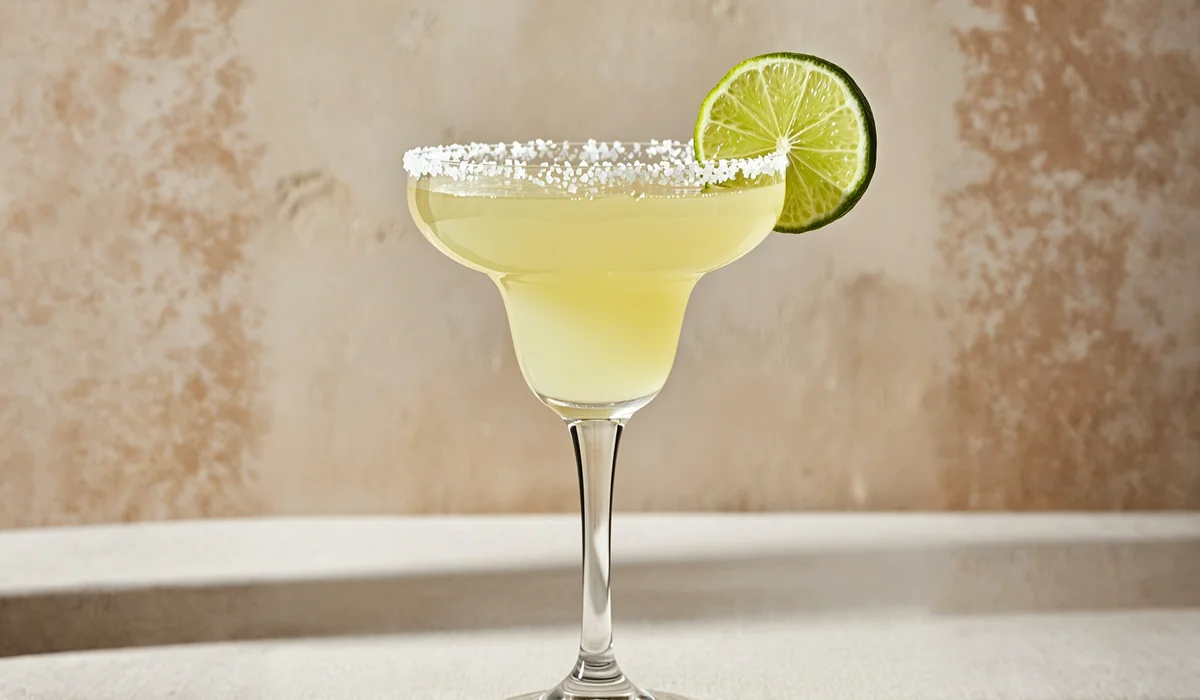
The real test of any orange liqueur is how it works in the drinks you actually make. In an Orange Margarita, Elusa gives you a fuller, more citrus-forward drink than Cointreau. The Armagnac base adds warmth that complements the tequila beautifully.
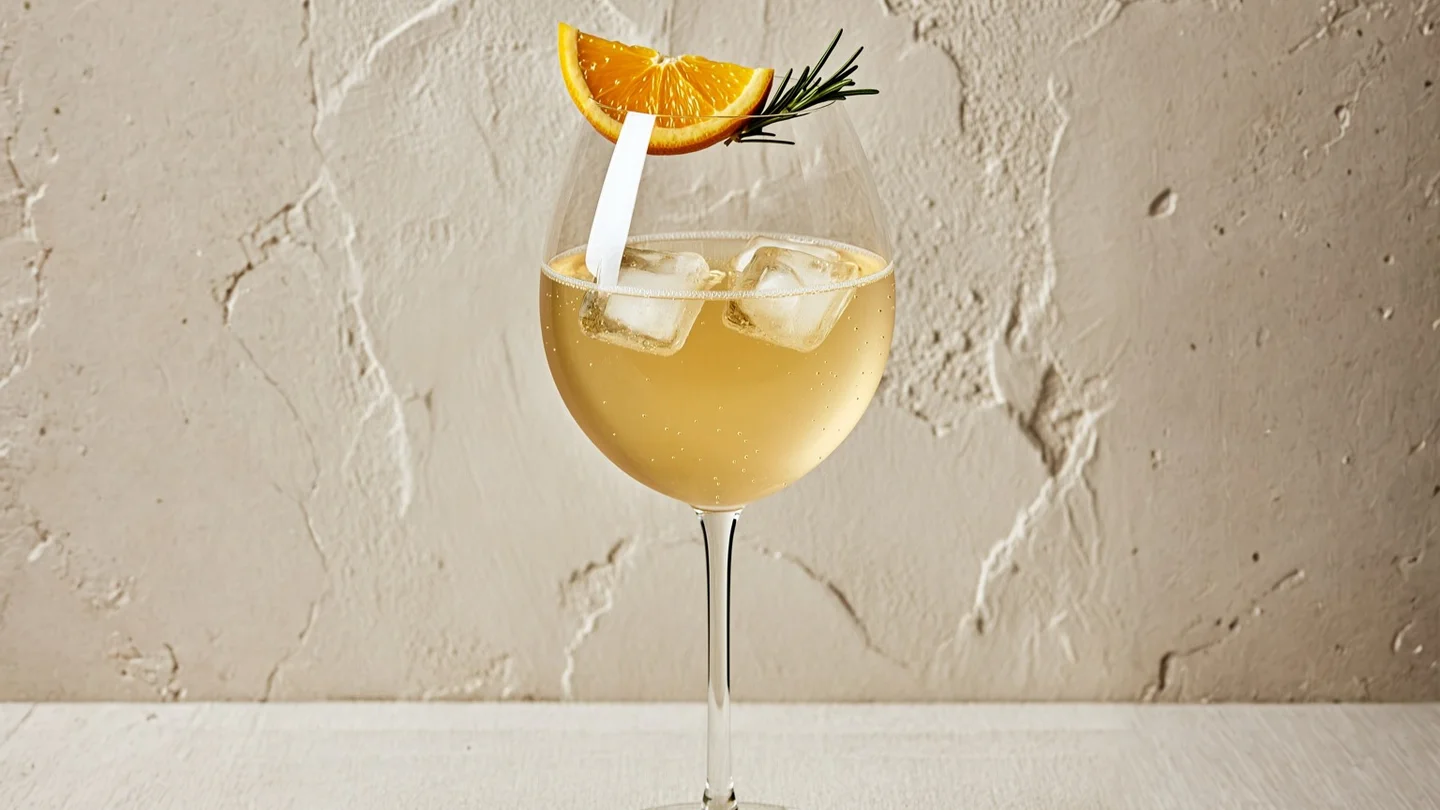
In an Orange Spritz, the lower ABV and natural sweetness make it perfect for a lighter, more refreshing serve. Top with prosecco and soda, add an orange wheel, and you have something that works all afternoon.
It also performs well in classic Cointreau cocktails like the Sidecar and the Cosmopolitan. The flavour is different, rounder and more fruit-forward, but it sits in the same space and does the same job with more character.
Price and value
Cointreau typically retails around the same price point as Elusa Orange Liqueur. The difference is what you get for your money. With Cointreau, you get industrial consistency and a famous name. With Elusa, you get real Valencian oranges, an Armagnac base, small-batch production, and a flavour profile that is more complex and more interesting.
For cocktails at home, where you are making drinks for yourself and guests rather than running a high-volume bar, the artisan option makes more sense. You want flavour, not just function.
The verdict
Cointreau is not going anywhere, and it does not need to. It is a reliable product that has earned its place. But if you want an orange liqueur that does more, one that tastes of real oranges, has a proper spirit base, and brings something extra to every cocktail, the alternatives are worth exploring. Start with one bottle. Make a margarita. You will taste the difference immediately.
Try the alternative
Elusa Orange Liqueur. 700ml, 21.5% ABV. Valencian oranges on an Armagnac base. Shipped across the UK.