
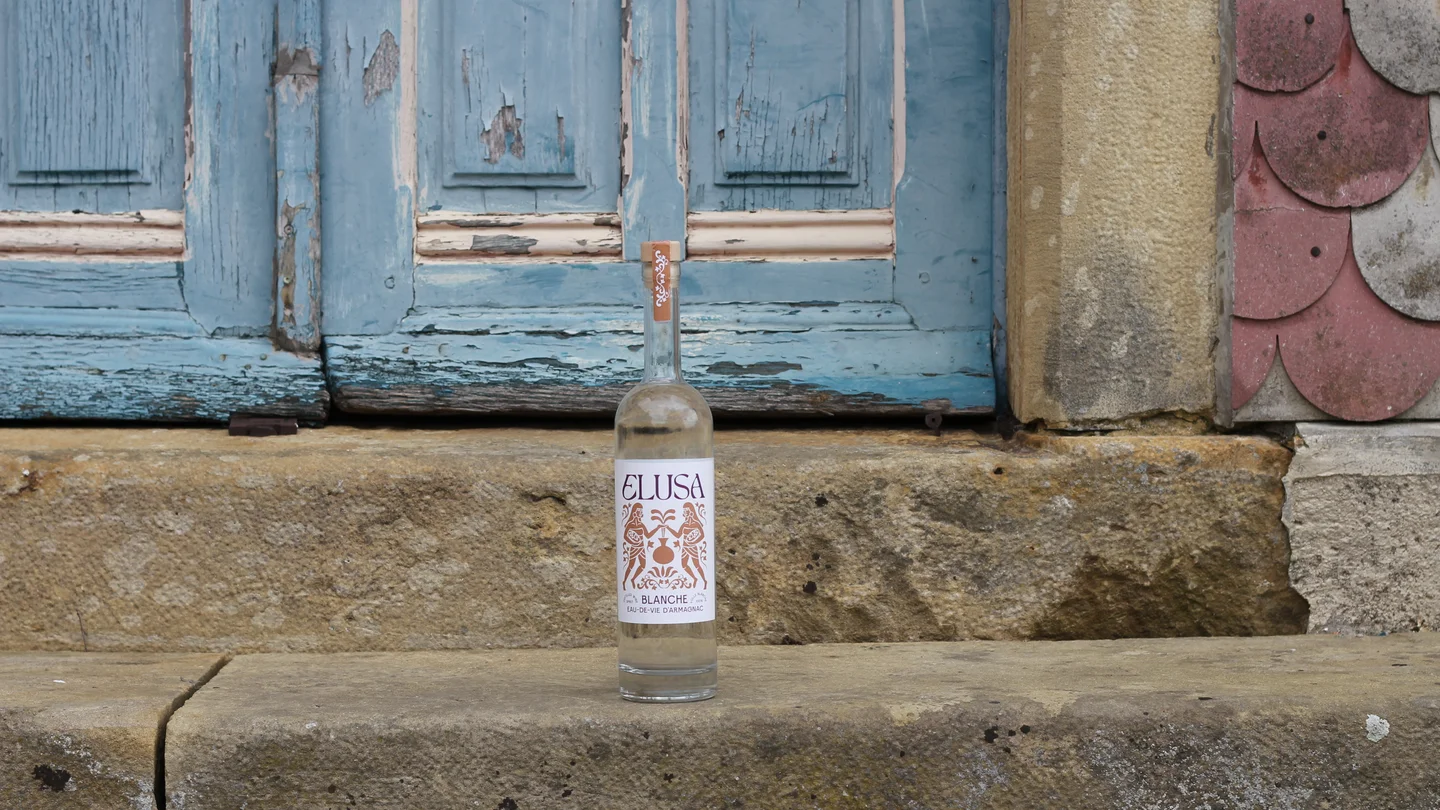
If someone asked you to name a French brandy, you'd say cognac. Almost everyone does. But France has an older brandy tradition, one that predates cognac by more than a century, and it's called Armagnac. Blanche Armagnac is that spirit in its purest form: unaged, clear, and full of the character that oak barrels would otherwise mask.
Armagnac: France's oldest spirit
Armagnac has been distilled in Gascony, south-west France, since at least 1411, making it the oldest distilled spirit in the country. While cognac became the global export (thanks largely to Dutch and British merchants), Armagnac remained regional, artisanal, and relatively unknown outside France.
The difference goes beyond geography. Cognac is typically double-distilled in pot stills and blended across estates for a consistent house style. Armagnac is single-distilled through a continuous column still, estate-bottled, and defined by the individual character of the producer. If cognac is a polished compilation album, Armagnac is a live recording: rougher edges, more personality.
What makes Blanche different
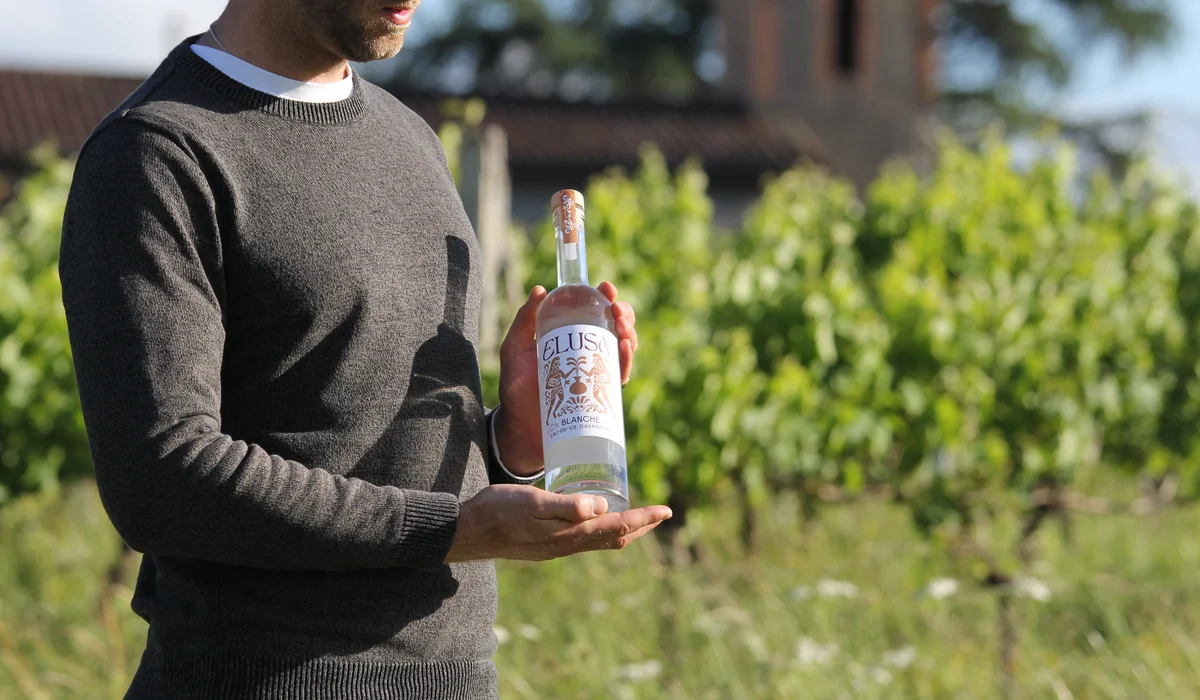
Most Armagnac you'll find on a shelf is amber, aged in oak casks for years, sometimes decades. That ageing adds vanilla, toffee, and wood tannins. Blanche Armagnac skips the barrel entirely. It goes from still to bottle, preserving the raw character of the grape distillate.
The result is a clear spirit that sits somewhere between a grappa and a young brandy, but with more finesse than either. Where grappa can be aggressive and young brandy can be thin, good Blanche Armagnac has body, fruit, and a surprising elegance. It smells of summer: white stone fruit, pear drops, gentle florals.
Legally, Blanche Armagnac must be produced in the Armagnac region and rested for a minimum of three months in inert containers (stainless steel, not oak) before bottling. This brief rest allows the spirit to settle without picking up wood character.
If cognac is a polished compilation album, Armagnac is a live recording: rougher edges, more personality.
How it tastes
Elusa Blanche Armagnac, a Great Taste 2-star award winner, has a creamy nose with berries, summer fruits and citrus. On the palate, expect delicate white grape notes, pear-like sweets, and gentle floral elements. The finish is elegant, with Parma violet tones that linger without heat.
At 40% ABV, it's a proper full-strength spirit, not a flavoured vodka or a diluted liqueur. It's the kind of thing you can sip neat over ice or mix into cocktails where it replaces gin, vodka, or white rum with something that actually has a story behind it.
How to drink it
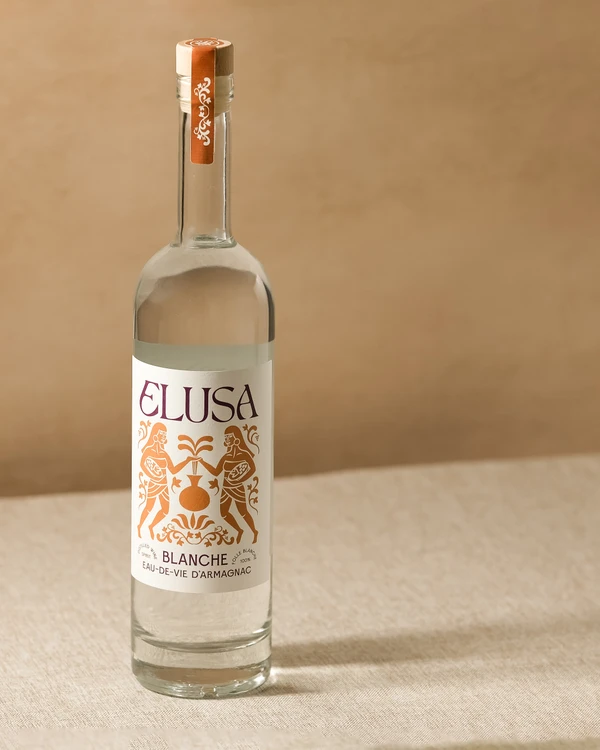
Blanche Armagnac works anywhere you'd reach for a white spirit. It's particularly good in cocktails that benefit from a base with genuine character. Drinks that taste flat with vodka and one-note with gin suddenly have a third dimension.
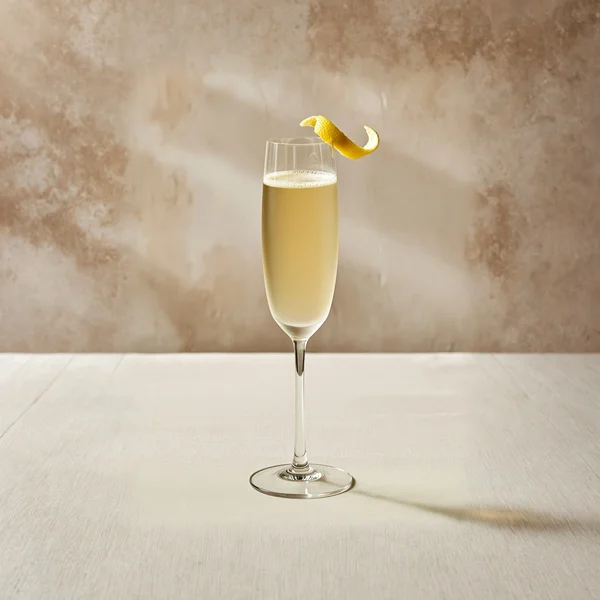
Try it in a Tommy's Margarita (it's extraordinary), an Aromatic Tonic, or the cocktail it was practically designed for: the French 75.
Recipe
The French 75
- 40ml Elusa Blanche Armagnac
- 20ml Fresh lemon juice
- 15ml Sugar syrup
- Top Champagne or dry sparkling wine
Shake the Armagnac, lemon juice and sugar syrup with ice. Strain into a chilled champagne flute. Top with sparkling wine. Garnish with a lemon twist.
Why Elusa
Elusa Blanche Armagnac comes from a third-generation family chateau in Gascony. It's not blended across estates or produced at industrial scale. It's a single-producer spirit from one family who have been doing this for decades.
Great Taste awarded it 2 stars on its first entry, which means the judges considered it outstanding. It's also the base spirit for the rest of the Elusa range: our Coffee Liqueur and Orange Liqueur are both built on this same Blanche rather than the neutral grain spirit most competitors use.
That matters because the base spirit is where flavour starts. A coffee liqueur made with Armagnac tastes different from one made with vodka: more complex, more honest, more interesting.
Try it yourself
Elusa Blanche Armagnac. 700ml, 40% ABV. Great Taste 2-star. Shipped across the UK.