
The UK has seen an explosion in artisan coffee liqueurs over the past few years. Third-wave coffee culture has collided with the craft spirits movement, and the result is a category that is finally being taken seriously. But not everything labelled "artisan" or "craft" actually lives up to the word. Here is what to look for and why the details genuinely matter.
What "artisan" should actually mean
There is no legal definition of "artisan" in the UK spirits industry. Anyone can put it on a label. So you need to look beyond the branding and examine what is actually in the bottle. Three things separate genuine artisan coffee liqueurs from the industrial standard: the base spirit, the coffee, and the production method.
Base spirit. Most mass-market coffee liqueurs use neutral grain spirit. It is cheap, flavourless, and functional. Artisan producers tend to choose a base spirit that contributes to the final flavour. Some use rum. Some use vodka but from a named distillery. The best use spirits that add genuine complexity, like brandy or Armagnac.
Coffee. Industrial coffee liqueurs often use "coffee flavouring" or extracts rather than real coffee. Artisan producers should be using actual coffee beans with a named origin, a specific roast profile, and a deliberate extraction method. If the bottle does not mention where the coffee comes from, that tells you something.
Method. How the coffee is extracted into the spirit makes a huge difference. Hot extraction is fast and efficient but pulls bitterness and harsh compounds. Cold extraction (cold brew) takes longer but produces a smoother, cleaner, more nuanced coffee flavour. Look for cold-brewed or cold-extracted on the label.
Not everything labelled "craft" actually lives up to the word. Look beyond the branding and examine what is in the bottle.
Why the base spirit matters more than you think
The base spirit is the foundation of any liqueur. In a coffee liqueur, it provides the alcohol content, the body, and the subtle background flavour that sits beneath the coffee. With neutral grain spirit, that background is blank. With a characterful spirit, it becomes part of the experience.
Armagnac is a particularly interesting base for coffee liqueur. It is a grape spirit from Gascony, France, with natural fruit notes, a rounded texture, and a warmth that grain spirit lacks. When you combine those qualities with good coffee, you get a liqueur that is layered and complex rather than one-dimensional.
This is not marketing. You can taste the difference in a blind test. Pour a grain-based coffee liqueur and an Armagnac-based one side by side, and the difference is obvious within seconds.

Sugar: the hidden variable
Coffee liqueurs are sweet by nature. Sugar is part of the category definition. But the amount of sugar varies enormously between brands. Some mass-market coffee liqueurs contain over 400g of sugar per litre. That is more than many dessert wines.
Too much sugar masks poor coffee, hides a thin base spirit, and makes cocktails cloying. An artisan coffee liqueur should be sweet enough to balance the coffee bitterness but not so sweet that it overwhelms everything else. The best ones let the coffee speak.
When making an espresso martini or a Coffee Negroni, lower sugar content means better balance in the finished drink. You taste the coffee and the spirit, not just sweetness.
How to use artisan coffee liqueur
The most obvious application is the espresso martini, and a good artisan coffee liqueur will transform that cocktail. But the category is more versatile than most people realise.
Try a Coffee Negroni, where coffee liqueur replaces sweet vermouth alongside gin and Campari. The bitterness of the coffee and the bitterness of the Campari work brilliantly together. Or go the affogato route: a shot of coffee liqueur over vanilla ice cream with a pour of espresso. Simple, stunning, and a genuine dessert in its own right.
You can also use it in cooking. A splash in tiramisu adds depth that coffee alone cannot. A drizzle over chocolate tart before serving elevates the entire dish. Once you have a bottle with genuine quality, the applications expand.
Elusa Coffee Liqueur
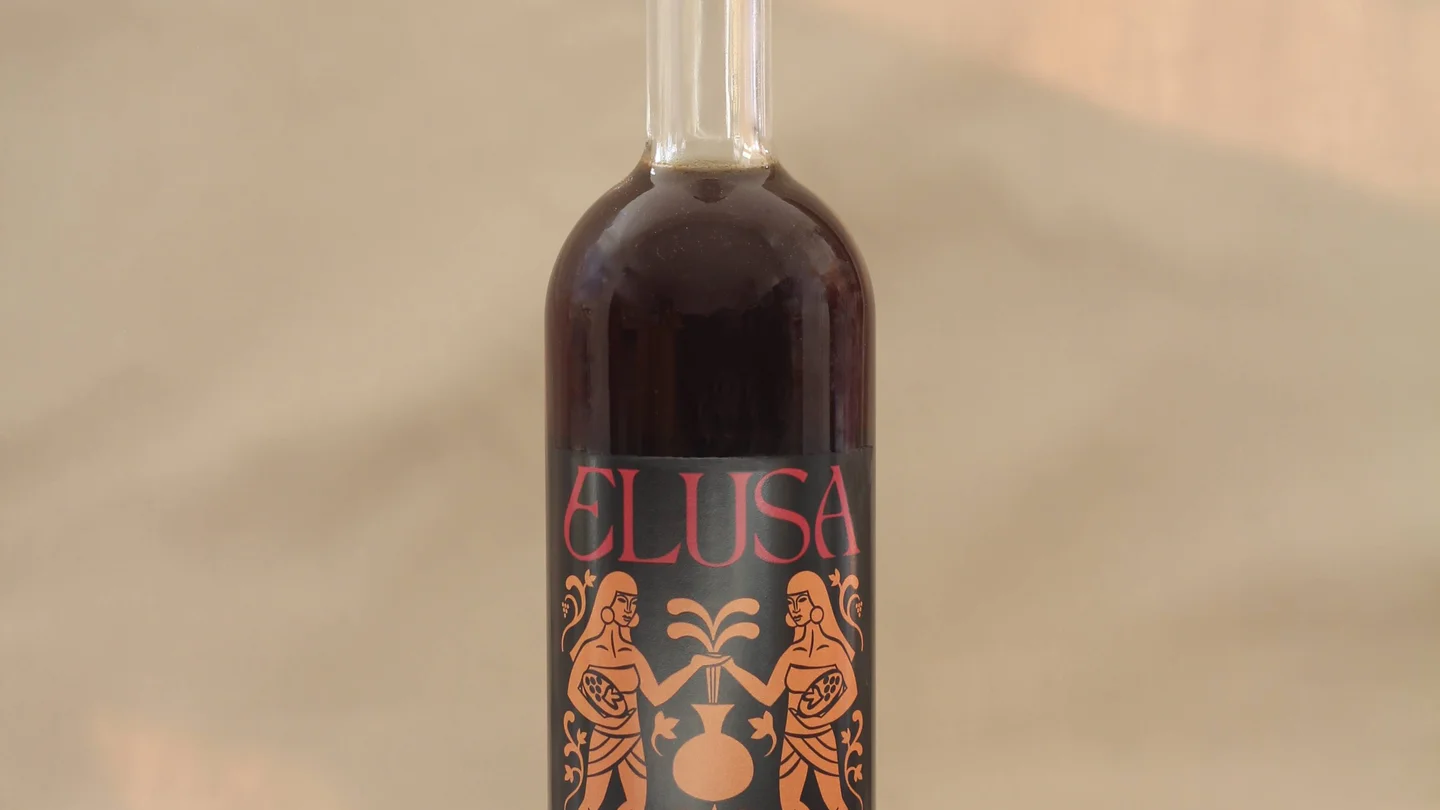
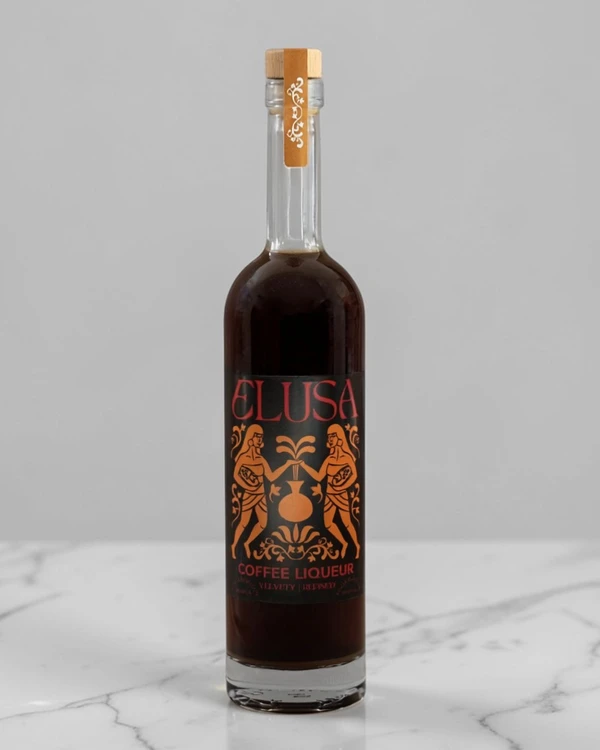
Elusa Coffee Liqueur is built on Blanche Armagnac from a third-generation family estate in Gascony. The coffee is Dark Side cold brew, a dark roast of Central American and Asian beans, brewed cold for 18 hours. At 21.5% ABV, it has enough strength to hold its own in cocktails without overwhelming them with sweetness.
It tastes genuinely of coffee. Not coffee-flavoured sugar. Not vanilla with a coffee accent. Actual coffee, with the warmth of Armagnac underneath and enough sweetness to balance the natural bitterness. It is the kind of bottle that earns its spot on the shelf and gets used regularly, not just at Christmas.
The bottom line
Artisan coffee liqueur is worth seeking out. The difference between an industrial product and a craft one is not subtle. It shows up in every cocktail, every sip, every recipe you use it in. Look for named coffee origins, a characterful base spirit, cold extraction, and balanced sweetness. That is the checklist. If a brand ticks those boxes, it is worth your money.
Taste the difference
Elusa Coffee Liqueur. 700ml, 21.5% ABV. Armagnac base, Dark Side cold brew. Shipped across the UK.