
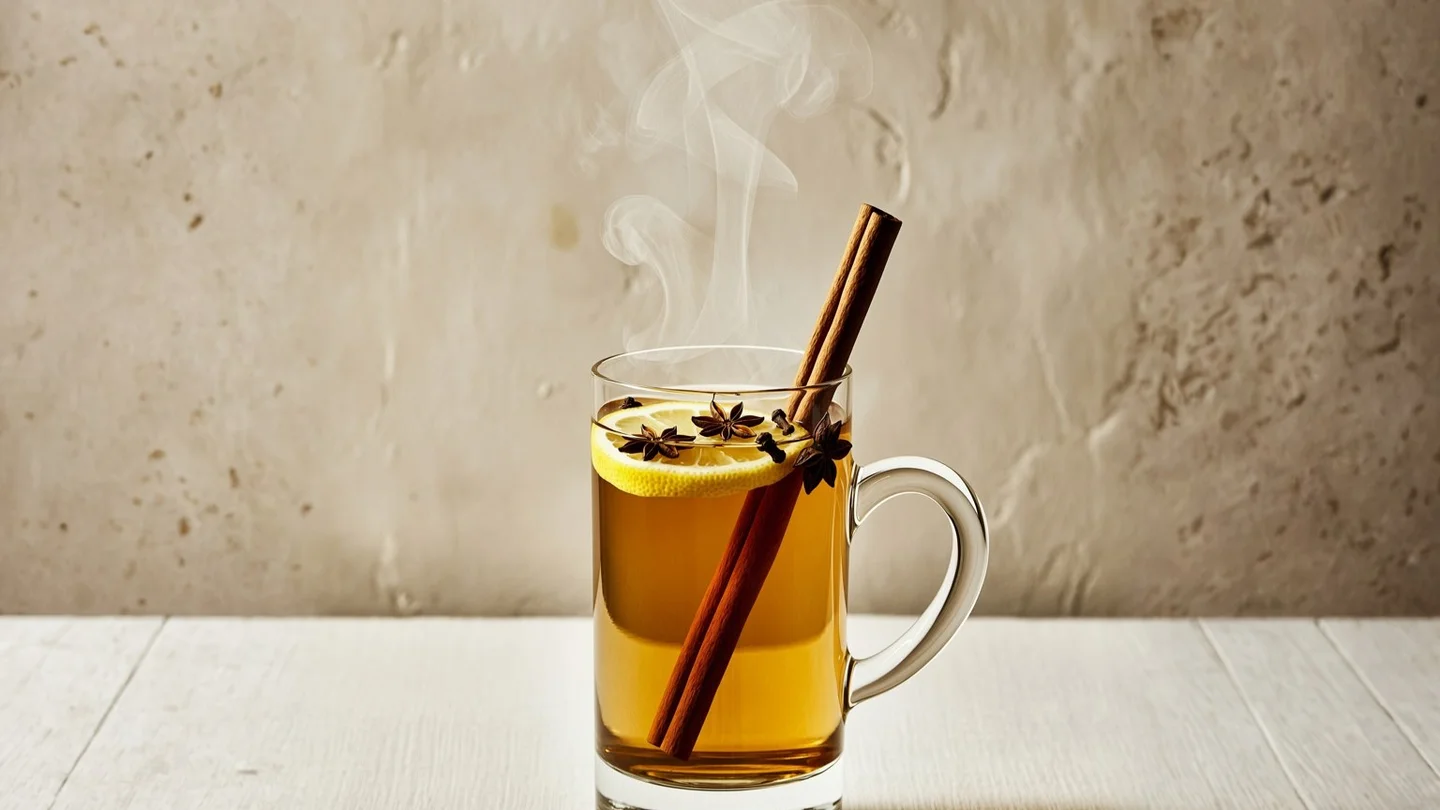
Deciding what to drink with Christmas pudding is harder than it looks. The pudding is doing a great deal at once: dried fruit, dark sugar, suet, brandy, and a spice mix that usually includes cinnamon, nutmeg, cloves and mace. Most drinks either disappear underneath all that or pile more sweetness on top of it. Port is the traditional answer, and it is not a bad one, but it is not the only one and it is rarely the best one.
Why Christmas pudding is difficult to match
Three things make it a hard pairing. The first is sweetness. A good Christmas pudding is intensely sweet, and the rule with dessert matching is that your drink needs to be at least as sweet as the dish or it will taste thin and sour beside it. That rules out most table wines immediately.
The second is density. Suet and dried fruit make the pudding heavy and mouth-coating. A delicate drink gets flattened. You need something with enough presence to cut through, or enough weight to sit alongside it.
The third is the spice. Cinnamon, clove and nutmeg are assertive and slightly drying. They clash with anything that has strong oak or heavy tannin, which is why a big aged brandy or an oaky red often tastes harsh next to the pudding rather than complementary.
The traditional options, honestly assessed
Port. The default. A tawny works better than a ruby here — the nuttiness and dried-fruit character echo the pudding rather than competing with it. Ruby port is fruitier and can end up sugar-on-sugar. Tawny is the safe, good choice.
Sweet sherry. Pedro Ximénez is almost too sweet, which sounds like it should be perfect but often means both pudding and drink turn cloying. A good oloroso is more interesting: nutty, dry, and it lets the pudding lead.
Dessert wine. Sauternes and similar are lovely but tend to get bulldozed. The pudding is heavier than they are built for.
Aged brandy or cognac. The classic after-dinner pour. The problem is that years in oak give you vanilla, toffee and wood tannin — and those tannins collide with the pudding's clove and nutmeg. It can taste hot and slightly bitter alongside a mouthful of pudding.
The pudding already has the oak, the sugar and the spice. What it needs beside it is fruit and lift.
The case for an unaged brandy
This is where Blanche Armagnac becomes genuinely useful, and it is the pairing most people have never tried.
Blanche is Armagnac that has never been near a barrel. It goes from the still to the bottle, so you get the grape distillate itself: white stone fruit, pear, and gentle florals, at full 40% strength. No vanilla, no toffee, no wood tannin — none of the elements that make aged brandy fight with the spice in the pudding.
What that leaves is fruit and warmth. The pudding brings the darkness and the sugar; the Blanche brings brightness and cuts straight through the richness. It works the way a squeeze of lemon works on something fried: not by matching the weight, but by relieving it. After a mouthful of pudding, a small measure of Blanche resets the palate rather than adding another layer.
There is a practical argument too. Most Christmas puddings are made with brandy, and many are flamed with it at the table. Serving a brandy alongside continues the same flavour thread — you are just choosing the version that hasn't been dressed in oak.
How to serve it
Neat, in a small glass, at cool room temperature. Do not over-chill it: cold mutes the fruit and you lose the point. A wine glass is better than a brandy balloon — the balloon concentrates alcohol vapour at the nose, which is a problem at 40%.
Measure about 25–35ml per person. This is a digestif alongside a heavy dessert, not a long drink.
If neat spirits are not for everyone at the table, an Aromatic Tonic — Blanche with a good tonic and a strip of orange peel — is a lighter option that still works next to the pudding.
If you would rather serve a cocktail
A neat spirit is not always right for the room. This one is built for the same job — citrus and spice against a rich dessert — and can be made ahead in a jug.
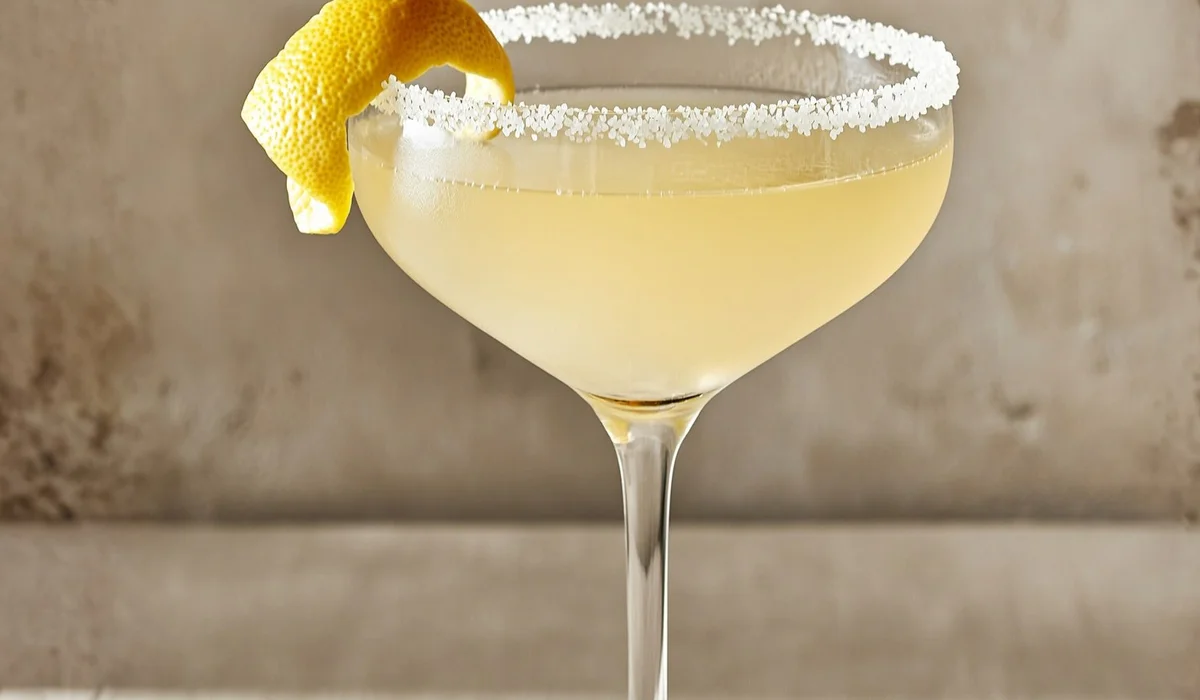
The Christmas Sidecar
- 35ml Elusa Blanche Armagnac
- 25ml Elusa Orange Liqueur
- 20ml fresh lemon juice
- A strip of orange peel
Shake the first three ingredients hard with ice and strain into a chilled coupe. Express the orange peel over the surface and drop it in. Sugar on the rim is traditional and, with Christmas pudding to follow, unnecessary — leave it off.
The lemon does the cutting, the orange liqueur bridges to the pudding's citrus peel, and the Blanche keeps it from turning into a sweet drink. Serve it while the pudding is being brought in.
What to avoid
Heavily oaked spirits. Big aged cognacs, sherried whiskies and dark spiced rums all bring wood tannin that fights the clove.
Anything with high acidity and no sweetness. A dry sparkling wine after a mouthful of pudding tastes metallic. If you want fizz, go for something off-dry.
Coffee, immediately. Not because it does not work — an Affogato is a genuinely good Christmas dessert — but because coffee flattens your palate for anything you drink afterwards. Save it for the end.
The short answer
If you want tradition, pour a tawny port. If you want the pairing that actually improves the pudding rather than just accompanying it, pour something unaged, fruit-forward and strong enough to cut through. Blanche Armagnac does that better than anything else on the shelf, and it has the advantage of being the same spirit family that went into the pudding in the first place.
For the table this Christmas
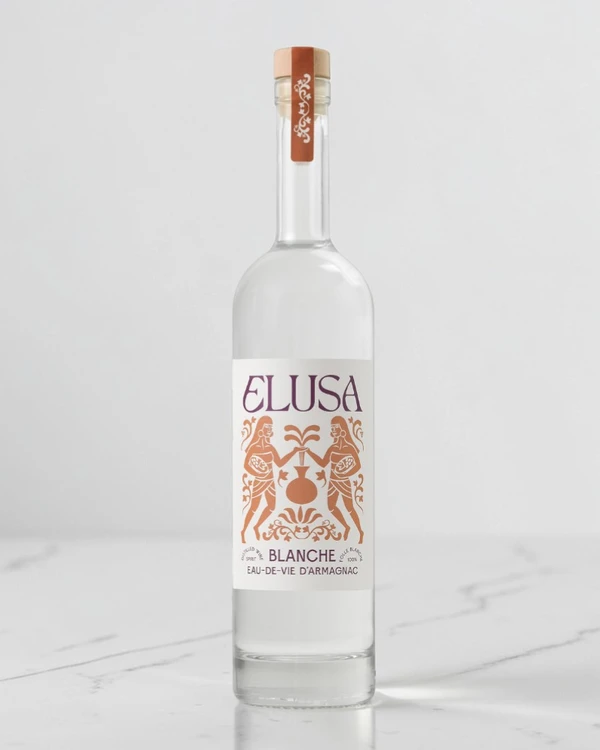
Elusa Blanche Armagnac. 700ml, 40% ABV. Great Taste 2-star. From a family estate in Gascony. Shipped across the UK.